
Fabricante de máquinas de gelo OEM vs ODM: O que os compradores devem saber
Compartilhe:
-

-

-

-


Copiado
Compartilhe:
-
-
-
-
Copiado
Um comprador quer uma moradia menor, Aumento da produção de gelo, e configuração elétrica de 120V para uma máquina de gelo nugget de bancada. O fornecedor tem um modelo semelhante. É necessário um novo projeto?, or can existing machine models be modified to meet the buyer's request?
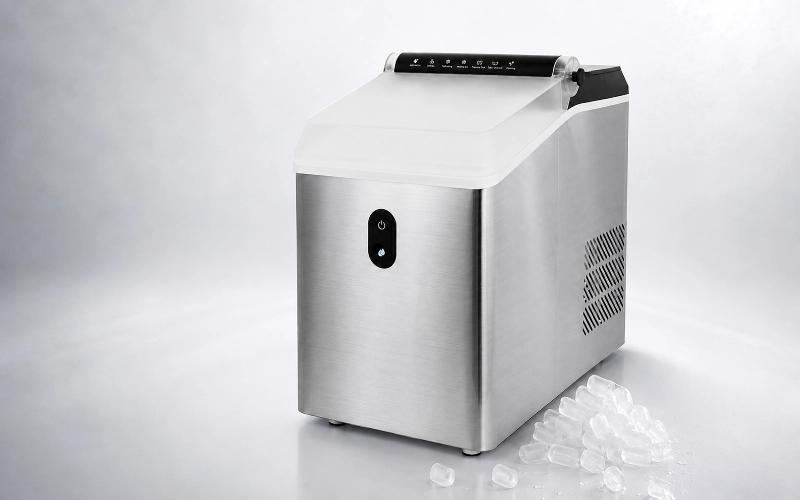
What goes on inside the enclosure largely dictates the answer. If the housing is made smaller, it may reduce the size of the condenser and affect the airflow. A larger evaporator may cause increased ice output and may require a larger and faster compressor and auger drive. Changes in the supply voltage may require changes to the electrical components beyond the power cord.
Na YUMYTH, we are a manufacturer of countertop ice making appliances. We are an Ice Machine Manufacturer and offer both OEM and ODM services. Como tal, we understand that the main difference between these development routes is the engineering scope, responsibility for validation and ownership of the design.
Where Does OEM End and ODM Begin?
OEM and ODM terminology is not entirely consistent across appliance manufacturing. A project described as OEM may involve little more than branding, while another requires substantial component changes.
For purchasing purposes, three development levels are more useful:
| Development Route | Engineering Changes | Main Buyer Consideration |
| Private-label OEM | Logotipo, Embalagem, Cor, and selected external details | Limited differentiation; lower development investment |
| Modified OEM | Existing refrigeration architecture with revised controls, Habitação, or selected components | Compatibility testing and possible tooling costs |
| ODM | New or substantially redesigned mechanical, Elétrica, and thermal architecture | Development cost, intellectual property, and extensive validation |
The dividing line is not whether the exterior looks different. It is whether a modification changes a validated operating condition.
Adding a custom logo generally has little effect on refrigeration performance. Relocating ventilation openings, no entanto, may increase condensing temperature and reduce ice-making capacity.
We suggest determining which existing assemblies will not have to be changed before choosing a development route.
Can a Current Ice-making System Satisfy the New Requirement?
Ice type largely influences the internal mechanics of an ice making machine.
A typical nugget ice making machine uses an auger to compact and remove ice from a cylinder and extrudes it. Production is influenced by the heat transfer of the evaporator, capacity of the compressor, operation of the auger, and the water supply.
Increasing the production of a machine without evaluating the torque of the auger or the capacity of the refrigeration system may result in mechanical overload and may produce wet and inconsistent ice.
Increasing production of a bullet ice making machine is a function of reducing the time required to freeze the ice. Insufficient freezing time may result in thin ice.
A controlled circulation of water may be used to freeze the ice in a unique geometry to produce ice in other shapes than nugget or bullet ice.
The technologies used to produce the various shapes of ice may not be interchangeable in a standard enclosure.
The daily ice production may also be defined by specified test conditions. Interruptions in the operation or ambient temperature may affect what is measured.
A supplier claiming to produce ice in larger quantities should state the test conditions and measurement method. Short-cycle test results may not take into account thermal behavior or operating interruptions.
What Customizations May Increase the Risk of Tooling?
Housing changes are typically underestimated during OEM negotiations. Changes to color may not require the creation of a new injection mold, while changes to dimensions may require the creation of a new mold.
Wall thickness and rib geometry of molded ABS components affect shrinkage, warpage and assembly fit. Making the plastic wall too thin can result in warpage, particularly in sections surrounding bosses, and in internal components.
Different trade-offs exist in ventilation. Increasing fan speed can compensate for obstructions in airflow, but can raise operating noise and power consumption. Enlarging the condenser may improve heat rejection, but use up valuable space.
Water contact components require additional changes.
Selos, tubing and drainage paths need to be made of appropriate materials and must be designed to be easily accessible for cleaning. Caps and end covers must be designed to be easily removed to allow for cleaning and maintenance of water contact components. Blind cavities and poor drainage allow mineral deposits and microbes to grow in the component.
Electronic changes create additional issues. Intermittent failures can occur in a component from altering the control of a cycling mechanism, pump or other component. These kinds of changes can go undetected during a short demonstration of the unit.
For a YUMYTH customization project, the key purchasing question is whether the proposed changes preserve the original system's validated performance or require additional engineering tests.
Who Owns the Tooling, Firmware, and Development Costs?
The lowest quoted unit price is not necessarily the lowest project cost.
Compared to ODM projects, engineering investments for private label projects are generally less non-recurring. No entanto, there are costs for tooling, PCB and firmware design and compliance testing.
The expected unit costs are as follows, where V is the targeted unit volume.
Expected Unit Cost = Unit Manufacturing Cost + (Tooling and Development Cost ÷ V)
Costs for testing, Logística, warranties and field service must also be estimated and included in the analysis.
Tooling ownership should be codified. Ownership of a mold does not give a buyer the right to all design files or the right to transfer production to a different source.
The agreement should define the mold owner's responsibilities, Exclusividade, ECA, and transfer rights.
Similar control is needed for firmware and components. A revised or substituted control board may fit the assembly, but behave abnormally during repeated starts and stops.
An approved bill of materials and revision history can ensure that production changes are evaluated.
What Must Testing Prove Before Mass Production?
A working prototype does not show that the design is capable of achieving consistent quality production.
Design validation and acceptance should be separated from routine factory inspections.
• Electrical and Thermal Safety: Review insulation, Aterramento (Se aplicável), abnormal operating conditions, and temperature limits against the requirements of the destination market. Electrical modifications may necessitate additional compliance assessment.
• Production Consistency: Compare pilot-build units to approved drawings and specifications, including component part acceptance criteria, operating performance, and cosmetic acceptance criteria.
Refrigeration Checks, Leak Detection and Electrical Inspections are services offered by YUMYTH.
An independent factory inspection cannot take the place of Design Validation or other independently required certifications.
What Should the Purchase Specification Include?
A contract with an OEM or ODM should delineate more than price and appearance.
It is essential that the Buyer and Seller agree to the technical specifications of the product prior to production approval, incluindo (but not limited to) type of ice, rated operating conditions, Capacidade de produção, Configuração elétrica, Materiais, Versão do firmware, Embalagem, e inspeção.
Additional considerations such as tooling charges, Disponibilidade de componentes, spare-part support, and minimum order quantity affect the decision to purchase a product in the long-term.
A pilot production run is often undertaken to identify assembly variation and process defects prior to a large volume production run.
YUMYTH is your source for OEM and ODM ice maker solutions. Discuss your target ice type and other requirements to see what options are available.
Perguntas frequentes
Q1. Does YUMYTH offer both OEM and ODM ice maker services?
Sim. YUMYTH supports private labeling, product customization, Projeto estrutural, Prototipagem, and ODM development for countertop ice makers.
Q2. What is the difference between YUMYTH's OEM and ODM services?
OEM typically modifies an existing ice maker platform. ODM involves more extensive design changes, including new structures, Funções, or electronic systems.
Q3. Which ice maker types does YUMYTH manufacture?
YUMYTH offers countertop nugget, bullet, e máquinas de gelo em cubos, along with snowflake ice machines. Customization options vary by product.
Q4. Can YUMYTH customize ice maker appearance and functions?
Sim. Available options include housing colors, Logos, control panel layouts, Embalagem, and selected operating functions. Technical feasibility depends on the model.
Q5. Can YUMYTH develop custom molds for ODM ice makers?
Sim. YUMYTH includes mold tooling development in its ODM process. Tooling costs, Propriedade, and design requirements should be agreed upon before development.
Artigos Relacionados
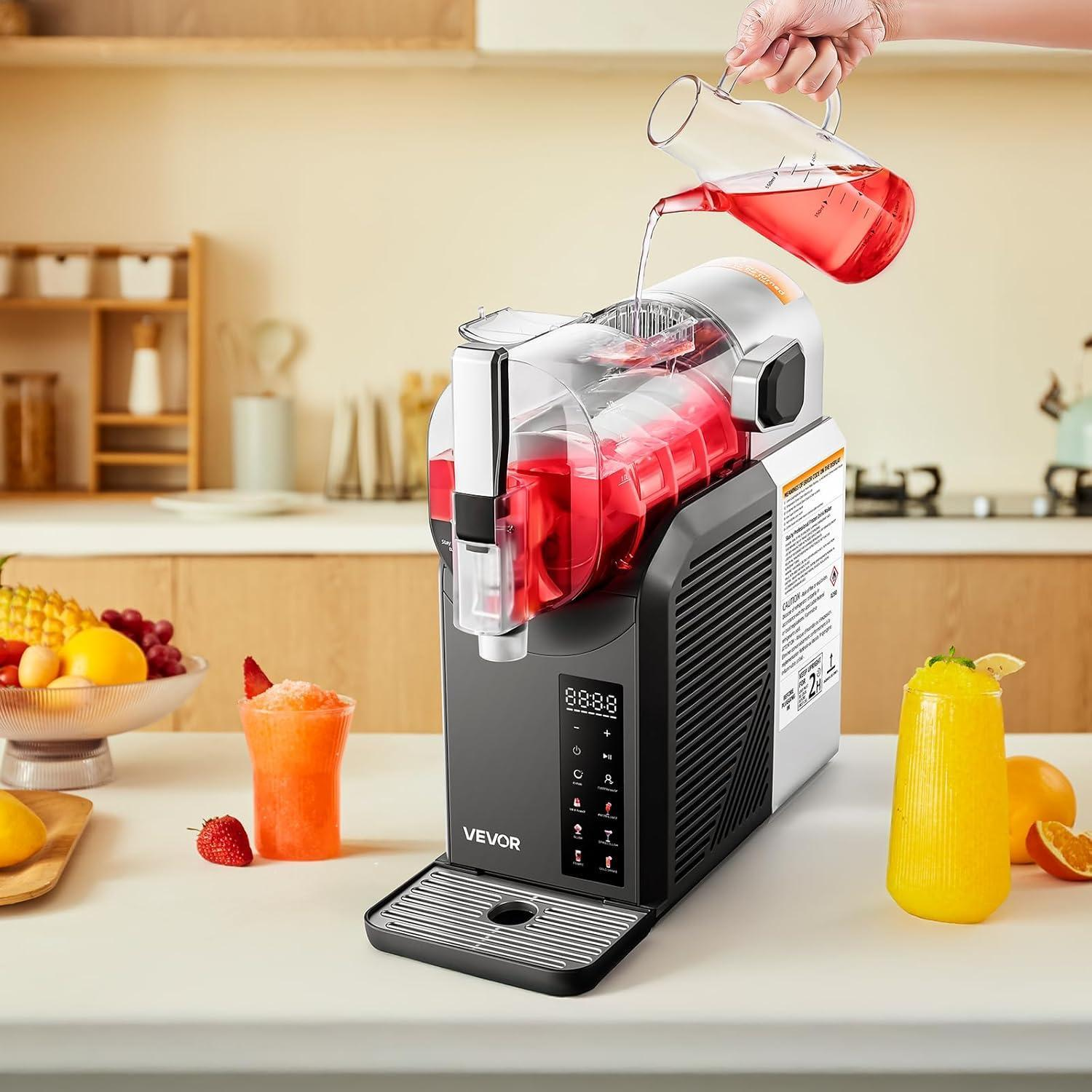
Como funciona uma máquina de slush sem gelo?
2026-10-29
POR U arafatshuvo509
O uso tradicional de gelo picado no liquidificador para misturar um ingrediente em um tecido espesso, A bebida gelada foi substituída pelos fabricantes de slush de hoje, que conseguem alcançar o mesmo resultado usando ...
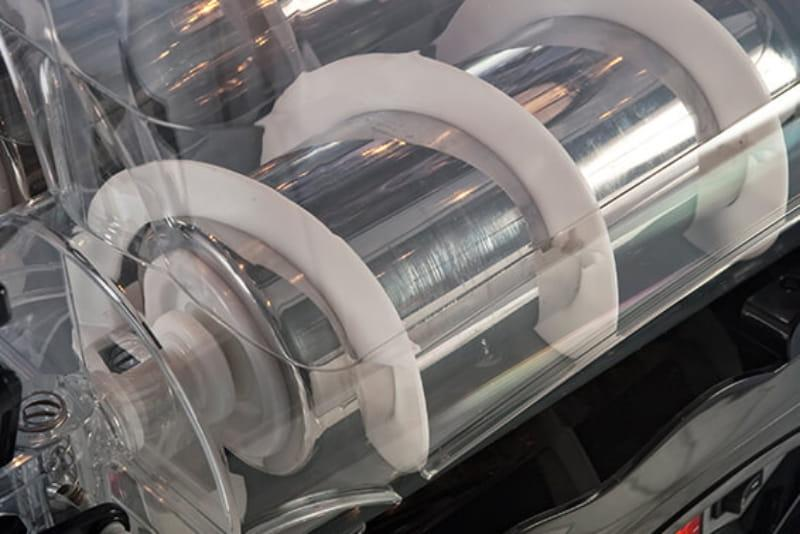
Máquina de Raspado Compressor: Sistema de Resfriamento e Tecnologia de Mistura
2026-10-29
POR U arafatshuvo509
Uma máquina de raspagem compressora utiliza um processo de refrigeração integral com agitação mecânica contínua do líquido refrigerado para produzir semicongelado (Slushy) líquidos criando cristais de gelo diretamente a partir do líquido. ...
Máquina de gelo para cozinha pequena: Design Compacto para Moradia em Apartamento
2026-10-27
POR U YUMYTH
Uma máquina de gelo que se encaixa em uma bancada de apartamento ainda pode ser difícil de operar. Uma parede pode obstruir o fluxo de ar do condensador, Um armário superior pode impedir que a tampa abra....
Tendências de Máquinas de Gelo Independentes 2026: Gelo Claro, R290, e Controles Inteligentes
2026-10-27
POR U YUMYTH
Uma máquina de gelo independente que pode produzir 12,6 kg de gelo em um dia pode ainda não atender às expectativas. Seu gelo pode ficar nublado devido a ciclos curtos de congelamento, É ...